
The Crow Holds a Postmortem. Do You?
Jun 22, 2026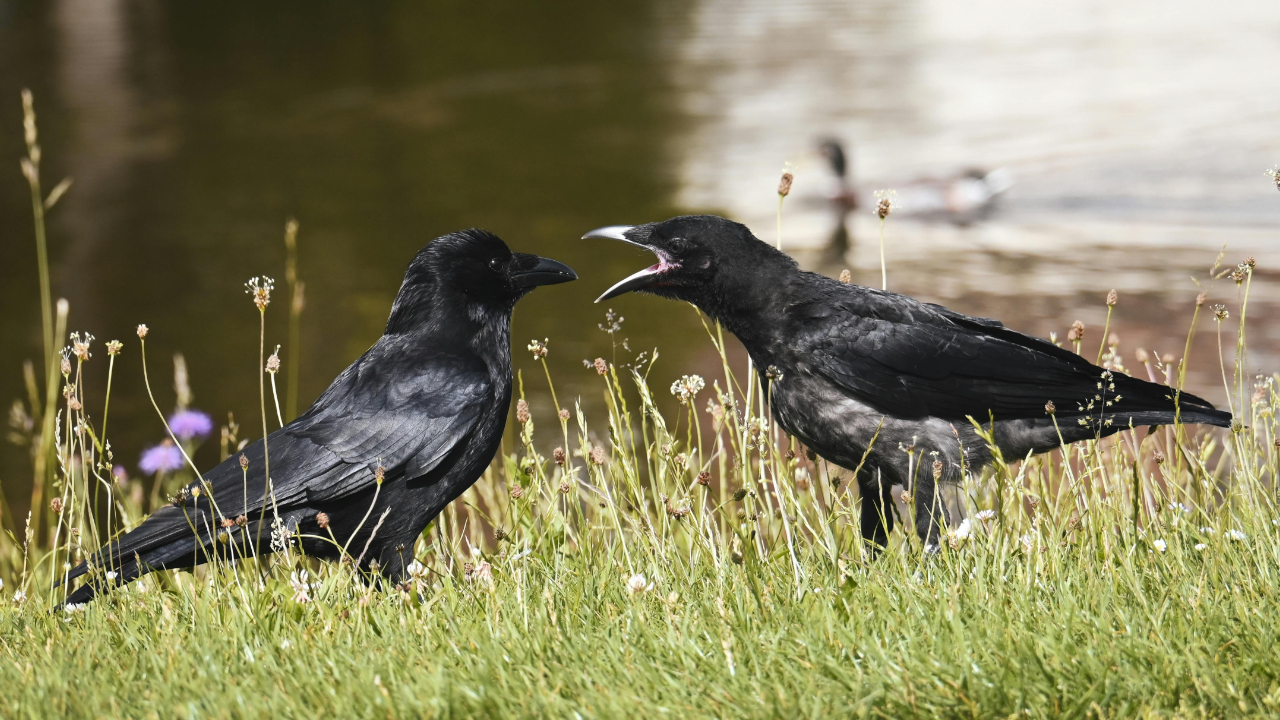
I know it’s beautiful outside, and wherever you are, it’s an auspicious day. But instead of enjoying that beauty, I want to talk about murder—and not just a murder of crows.
In 2015, researchers at the University of Washington—apparently a hub for crow science—published a study on what happens when a crow dies. They found that crows gather around a dead member of their species, sometimes in large numbers and for long periods, making noise and lingering. But it may be less about mourning than it seems.
Instead, it appears to be an investigation. To use the term literally for perhaps the first time in my life, it is a postmortem.
The flock draws lessons from one bird’s misfortune so the others do not have to learn the same lesson the hard way.
That is how they guard against failure: they investigate, they learn, and they share what they find.
In other words, crows are scientists.
Even more impressive, they do not need to witness the death themselves. Arriving at the scene is enough. The community spreads the lesson broadly, not just to those who were there.
One crow’s mistake becomes the whole flock’s education.
In business, the parallel is obvious. Opportunities to learn appear almost every day. Mistakes, failed experiments, and oversights are normal in healthy, successful organizations. The real question is whether you paused, investigated what happened, and shared the lessons.
Usually, there are two reasons this does not happen.
First, the owner is too busy to debrief. They lose a client or make a bad hire and move straight into triage. They never examine why it happened, so they fail to put safeguards in place to prevent it from happening again.
Second, pride gets in the way. It is no coincidence that so many of Shakespeare’s plays warn about hubris. If an owner is too proud to hold a postmortem, they deny themselves and their team the chance to learn. Everything ends up being blamed on luck or circumstance.
At any rate, crows do not linger in drama. They extract what is useful from a death, share it widely, and then move on to what comes next.
As an aside, I had a golf instructor who always told me that on the course, every bad shot was because someone jingled their keys or a plane flew overhead right as I swung—anything but my fault. On the driving range, though, that was when you figured out what was actually happening, made changes, and improved.
The same lesson applies in business. When everything is hitting the fan, making sweeping changes in the moment is usually not the best response. It is often wiser to wait until things settle down so you can investigate clearly.
If something goes wrong for you or your business, ask yourself three questions:
What actually happened?
What did I miss or ignore?
What will the next version of this situation look like, so I can recognize it?
Think of one thing in the last six months that did not go to plan. How did you handle it?
Did you debrief afterward? Did you hold a postmortem and share what you learned?
If you didn’t, it’s not too late to examine the corpse.
Law firms and advisory practices are particularly susceptible to both failure modes. The pace is relentless, so there is rarely time to debrief. And professional culture rewards confidence, which makes it hard to sit with a loss and ask hard questions about what you actually missed. The crow has no ego invested in what killed the other bird. That is the advantage.
Pay attention, remember everything, and never stop learning.
Hit reply or reach out. What is one thing from the last six months that you never properly debriefed?
Get Weekly Insights to Grow Your Business
Sign up for actionable strategies and expert tips delivered straight to your inbox every week—designed to help you break free from the chaos and achieve sustainable growth.
We hate SPAM. We will never sell your information, for any reason.
